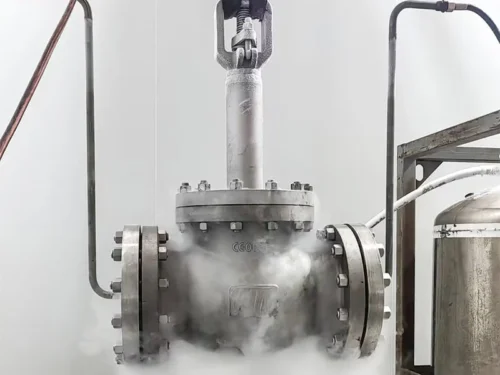
Within the safety architecture of new energy vehicles and energy storage power stations, power battery valves serve as critical, albeit often overlooked, core components. From balancing temperature-induced pressure differentials during routine operation to facilitating controlled pressure relief during thermal runaway in extreme scenarios, these specialized valves act as “silent guardians” of the battery system—shouldering the vital responsibility of safeguarding the entire battery pack despite their compact size.
Many mistakenly equate these specialized valves with standard industrial valves, failing to recognize that the unique operating environment and stringent safety requirements of power battery systems render conventional valves entirely inadequate for the task.
1.Why Specialized Valves Are Essential for Power Batteries
Standard industrial valves are typically designed for fluid control under ambient temperature and pressure conditions. They are not engineered for long-term cycling across extreme temperature ranges, nor are they optimized for exposure to highly corrosive media or high-frequency vibrations. Consequently, employing such valves in power battery systems would lead to a range of critical failures. In contrast, specialized valves are designed and manufactured specifically to meet the unique demands of power battery systems.
1.1 Adaptation to Extreme Temperature Ranges
Power batteries operate across a temperature spectrum ranging from -40°C to 150°C, with the potential for rapid, extreme temperature spikes during thermal runaway events. Standard valves are prone to material embrittlement and seal failure under these conditions. Specialized power battery valves, however, utilize carefully selected materials that maintain structural stability across the entire temperature range, ensuring no performance degradation despite frequent thermal cycling.
1.2 Tiered Safety Pressure Relief
Standard valves cannot accommodate the divergent requirements of routine versus extreme operating conditions. Specialized power battery valves often feature a dual-layer design:
- Under normal operating conditions, an ePTFE microporous membrane balances the pressure differential between the interior and exterior of the battery pack, while simultaneously blocking the ingress of moisture and dust.
- In the event of thermal runaway, a pre-calibrated rupture disc—designed to burst at a threshold of approximately 10 kPa—activates instantly. This enables rapid, directional, high-volume pressure relief within 10 milliseconds, effectively preventing a catastrophic explosion or fire of the entire battery pack.
1.3 Resistance to Highly Corrosive, Specialized Media
The electrolyte within power batteries—primarily composed of carbonates and lithium hexafluorophosphate—is highly corrosive. Standard valve materials are susceptible to swelling or corrosion when exposed to such electrolytes, creating a risk of leakage. Specialized valves, by contrast, are constructed from 316L stainless steel, aluminum alloys, or advanced engineering plastics; these materials can remain in contact with the electrolyte for extended periods without cracking or dissolving. Furthermore, their sealing performance is one to two orders of magnitude superior to that of conventional industrial valves.
1.4 Precision Compatibility with Thermal Management Systems
Liquid-cooling systems for power batteries utilize a water-glycol coolant with low electrical conductivity, necessitating valves that offer minimal impurity leaching and high flow-control precision. Standard valves may release impurities that contaminate the coolant, causing abnormal shifts in electrical conductivity. In contrast, specialized components—such as electronic expansion valves and shut-off valves—enable precise temperature control (within ±0.5°C) while simultaneously mitigating the risk of electrochemical corrosion.
2.Types of Valves Designed for Power Batteries
2.1 Pressure Relief Valves
Pressure relief valves in battery units are engineered to activate automatically when internal pressure exceeds a predetermined threshold. If internal pressure rises—due to factors such as overcharging, short circuits, or thermal runaway—the valve opens to vent accumulated gases. This release helps stabilize pressure, preventing the battery from rupturing or leaking hazardous substances.
The design of a pressure relief valve varies based on the battery type and its specific application. These valves are typically manufactured from materials capable of withstanding high temperatures and corrosive environments. Their activation pressure is precisely calibrated to ensure they open before pressure reaches dangerous levels, while remaining securely closed during normal operation.
2.2 Diaphragm Valves
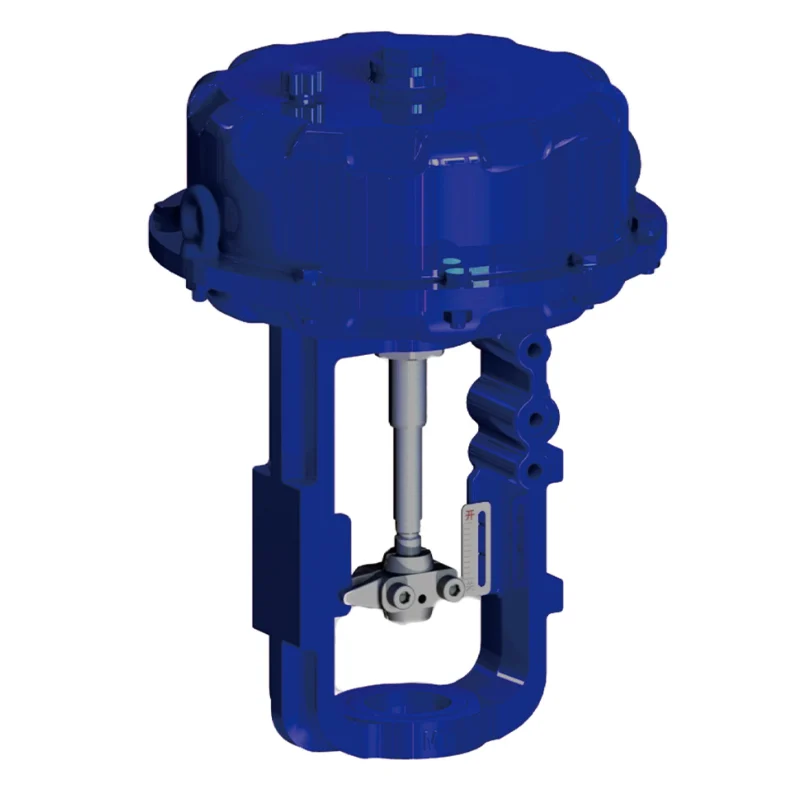
In battery pack systems, specialized diaphragm valves incorporate an ePTFE microporous breathable membrane. Under normal operating conditions, this membrane balances the pressure differential between the interior and exterior of the pack while blocking the ingress of moisture, water vapor, and salt spray. In the event of thermal runaway, the valve facilitates rapid, high-volume, directional pressure relief, thereby preventing the entire battery pack from exploding or catching fire. Designed for core lithium-battery manufacturing equipment—such as electrolyte filling machines and adhesive dispensing systems—these components feature zero-leakage, high corrosion resistance, and high precision, making them critical for ensuring safety and maintaining production yields in power battery manufacturing.
2.3 Bellows-Sealed Valves
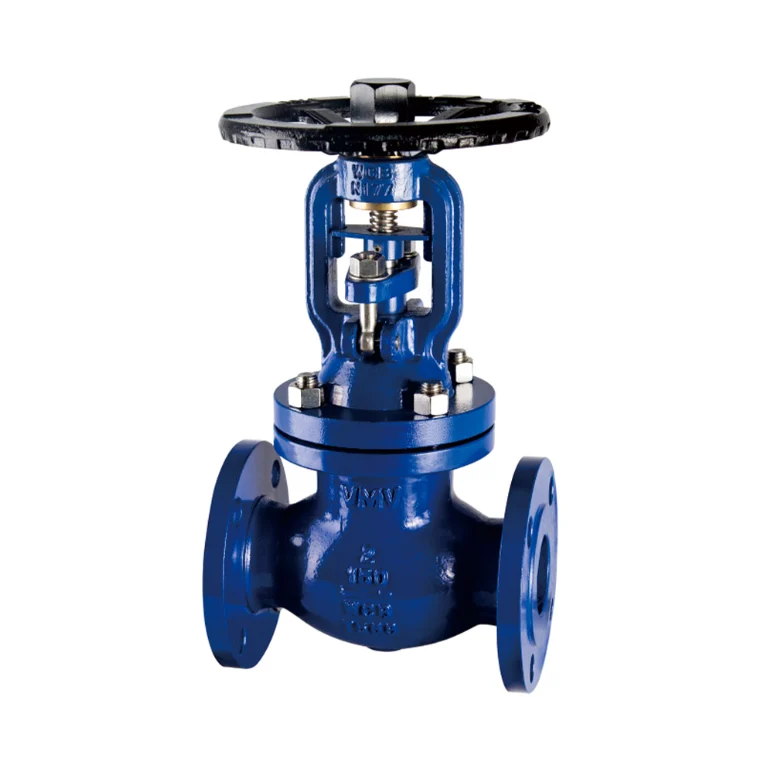
In lithium-battery production, bellows-sealed valves enable the safe transport of highly corrosive media, such as high-purity electrolytes and lithium hexafluorophosphate (LiPF6). They completely eliminate the risk of external leakage—which could contaminate the production environment—and prevent the leaching of metal ions that might otherwise compromise battery cell materials, thereby ensuring consistent battery quality.
Within power battery liquid-cooling systems, these valves withstand long-term exposure to low-conductivity coolants. They maintain zero-leakage performance even under conditions of vehicle vibration and fluctuating temperatures, preventing coolant from seeping into the battery pack and causing insulation failures. Consequently, they serve as essential safety components for high-end power battery production lines and thermal management systems in high-voltage vehicle platforms.
Conclusion
These specialized valves for power batteries are far more than just standard industrial valves repurposed for a new application; they are precision-engineered safety components, custom-tailored to meet the rigorous safety requirements of battery systems. Should you have any requirements, please feel free to contact us. As a professional valve manufacturer, VMV is your ideal partner.