Relying on manual control valves to regulate flow often leads to operational errors, resulting in inconsistent production quality—instability that can significantly drive up your costs. This is where electric control valves, which offer precise and stable flow regulation, become essential.
Electric control valves use an electric motor to regulate the flow of fluids. By receiving electronic signals, they adjust the valve’s opening, enabling precise control over process variables such as pressure and temperature.
ⅠDefining Electric Control Valves
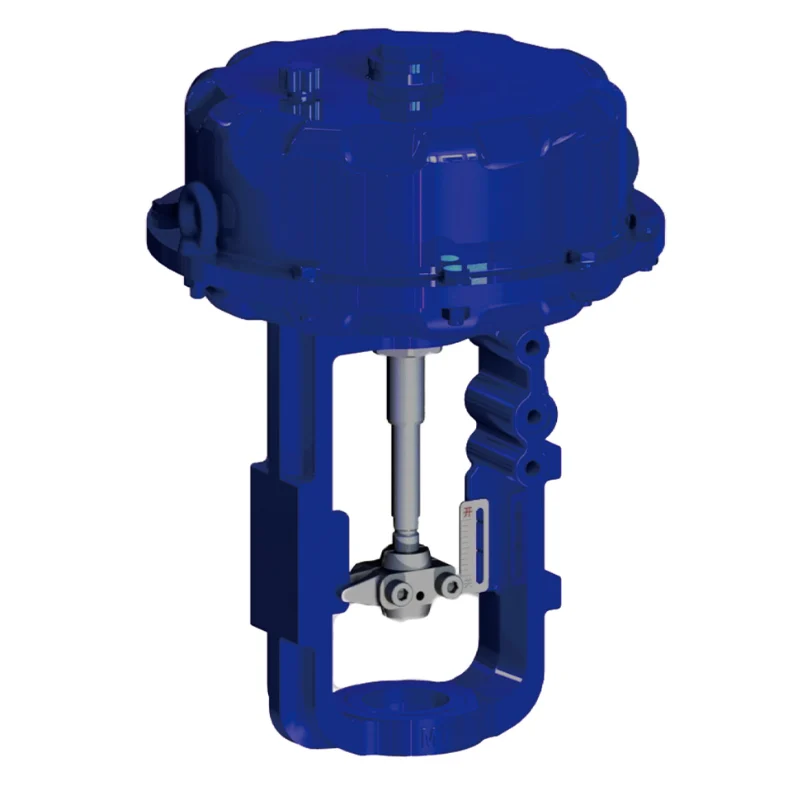
As the name suggests, electric control valves are valves that use electrical power to regulate the flow of fluids or gases. They consist of two primary components: an actuator and a valve body. The actuator—essentially an electric motor—receives electrical signals to open, close, or partially restrict the valve. This mechanism allows for precise control over the flow rate of the medium passing through the valve body. Compared to manual or pneumatic valves, electric valves offer superior precision and are easily integrated into automated systems, making them a popular choice across a wide range of industrial applications.
ⅡWhy Are Electric Control Valves Necessary?
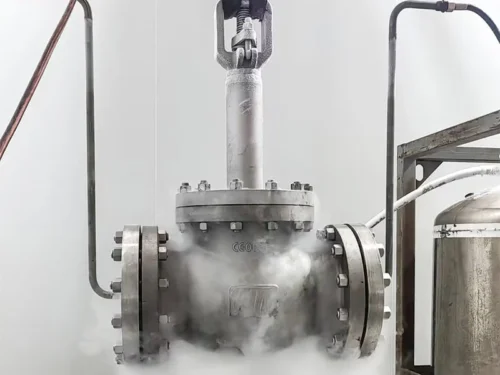
Industrial fluid processes span a vast spectrum of conditions—from cryogenic media at temperatures well below -100°C to high-temperature thermal oils exceeding 500°C; from highly corrosive acidic or alkaline waste to flammable and explosive petrochemical materials. In such environments, standard valves are prone to leakage, jamming, or total failure, which can even trigger safety incidents. Furthermore, traditional pneumatic control valves require complex air supply piping and compressor stations, making them impractical for use in remote plant areas or locations lacking a compressed air supply.
Electric control valves offer comprehensive solutions tailored to these complex operating conditions. For highly corrosive environments, valves with fluoropolymer linings can be used; for flammable or explosive petrochemical zones, explosion-proof electric actuators are available; and for high-pressure-drop applications—such as feedwater piping in power plants—multi-stage pressure-reduction sleeve designs can be employed to protect the valve trim from cavitation damage caused by high-pressure fluids. It requires no external air supply and operates solely on standard industrial power. Its installation and commissioning cycle is more than 50% shorter than that of pneumatic control valves, making it perfectly suited for specialized operating environments such as power plants, metallurgical facilities, and LNG receiving terminals. Furthermore, many models feature built-in safety mechanisms—such as automatic positioning upon power loss or emergency shut-off—which allow the valve to shift to a preset “safe” opening in the event of a sudden power failure, thereby preventing safety incidents caused by a loss of process control.
Ⅲ The Importance of Electric Control Valves
Today, the application of electric control valves extends far beyond any single industrial sector; they are now integrated into virtually every scenario involving fluid control:
In the food and pharmaceutical industries, sanitary-grade electric control valves enable precise regulation of raw material feed ratios—keeping ingredient variance within ±1%—to ensure consistent quality across every batch of pharmaceuticals or dairy products.
In semiconductor cleanrooms, low-noise, cage-style electric control valves help maintain ambient noise levels below 75 dB while precisely regulating temperature and humidity.
In wastewater treatment plants, these valves dynamically adjust inflow rates, ensuring the entire treatment system remains balanced and preventing water quality fluctuations that could exceed regulatory limits.
Ⅳ Why Choose Electric Valves Over Pneumatic Valves?
Many facilities are transitioning from pneumatic (air-driven) valve systems to electric control valve systems. This shift is driven by three primary factors:
Higher Energy Efficiency
Pneumatic systems require air compressors to run continuously, consuming significant amounts of electricity. In contrast, electric control valves consume power only when in motion, leading to lower long-term energy costs.
Reduced Maintenance Requirements
Pneumatic systems are prone to leaks in their compressed-air piping, which cause pressure drops and necessitate frequent repairs. Electric control valves, which utilize hard-wired connections, are more durable and are not subject to leakage issues.
Greater Cleanliness
Electric control valves do not discharge compressed air during operation. They are ideally suited for environments with stringent cleanliness requirements—such as pharmaceutical or food processing plants—as they effectively eliminate the risk of air contamination.
Conclusion
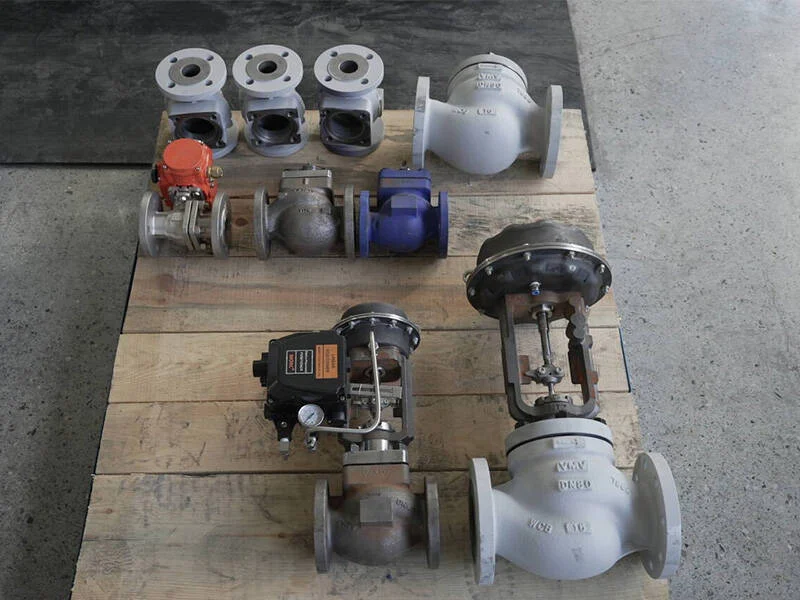
Electric control valves have become a vital component of modern industrial automation. They enable precise control and remote operation of valve movements, while also contributing to enhanced process efficiency. High quality is a prerequisite for the effective performance of an electric control valve. Selecting the right valve requires a comprehensive evaluation of factors such as valve design, torque requirements, power supply, control functions, operating conditions, and safety standards. If you are unsure how to make a selection, please feel free to contact us. VMV can provide a tailored solution based on your specific operating environment.