
Introduction
Many people visualize a steam system as a simple path: steam generation → pipeline transport → steam utilization by equipment.
However, in actual operation, the processes occurring within a steam system are far more complex than these few steps suggest.
As steam travels through pipelines and releases heat within equipment, it undergoes continuous changes in state. This gives rise to an unavoidable question:
what should be done with the condensate that forms?
The answer lies in an unassuming component of the steam system: the steam trap.
01 Steam Transport Inevitably Generates Condensate
After leaving the generation unit, steam must be transported via pipelines to various pieces of equipment that utilize it.
During transport, steam continuously loses heat to the surrounding environment. As it loses heat, it condenses, forming condensate. Therefore, the generation of condensate during steam system operation is not an anomaly.
As long as steam is being transported and heat is being exchanged, the formation of condensate cannot be entirely avoided.
The real challenge is: once this condensate forms, how can it be promptly and effectively discharged from the system?
This is a fundamental issue that cannot be overlooked when designing a steam system.
What Happens If Condensate Remains in the System?
Imagine a production line in operation: steam flows continuously into the pipelines, while condensate simultaneously forms inside them. If this condensate is not discharged promptly, it may accumulate at low points in the piping.
At this stage, the flow inside the pipeline is no longer just steam.
When high-velocity steam interacts with accumulated condensate, it can disrupt flow patterns and, in severe cases, cause water hammer. Furthermore, accumulated condensate can interfere with the smooth transport of steam and the efficiency of the heat exchange process.
Therefore, steam system design must consider not only how to deliver the steam but also how to remove the condensate.
The former determines whether heat reaches the required location, while the latter is crucial for maintaining stable system operation.
02 Why Not Just Install a Standard Valve to Drain the Water?
At this point, one might wonder:
If the problem is the condensate, why not simply install a standard valve at the bottom of the pipeline and open it to drain the water whenever necessary? This is the crux of the matter.
A steam system does not face a simple “drainage” scenario; it involves the simultaneous presence of condensate that must be discharged and steam that must be retained.
If the valve remains constantly open, condensate drains away, but steam escapes along with it.
If the valve remains constantly closed, steam is retained, but condensate cannot be discharged in a timely manner.
Therefore, what a steam system truly needs is not a simple “drain outlet,” but an automatic device capable of operating based on the system’s status: discharging condensate when necessary and blocking steam when required.
This device is the steam trap.
03 What problem does a steam trap actually solve?
Functionally, a steam trap performs a very specific task:
It discharges non-steam media—such as condensate—from the system while minimizing the unnecessary loss of usable steam.
Rather than simply draining away “water,” its role is to strike a proper balance between condensate discharge and steam retention during the continuous operation of the steam system.
A steam trap often operates unobtrusively; installed at the appropriate location within the steam system, it functions automatically to manage both condensate discharge and steam retention effectively.
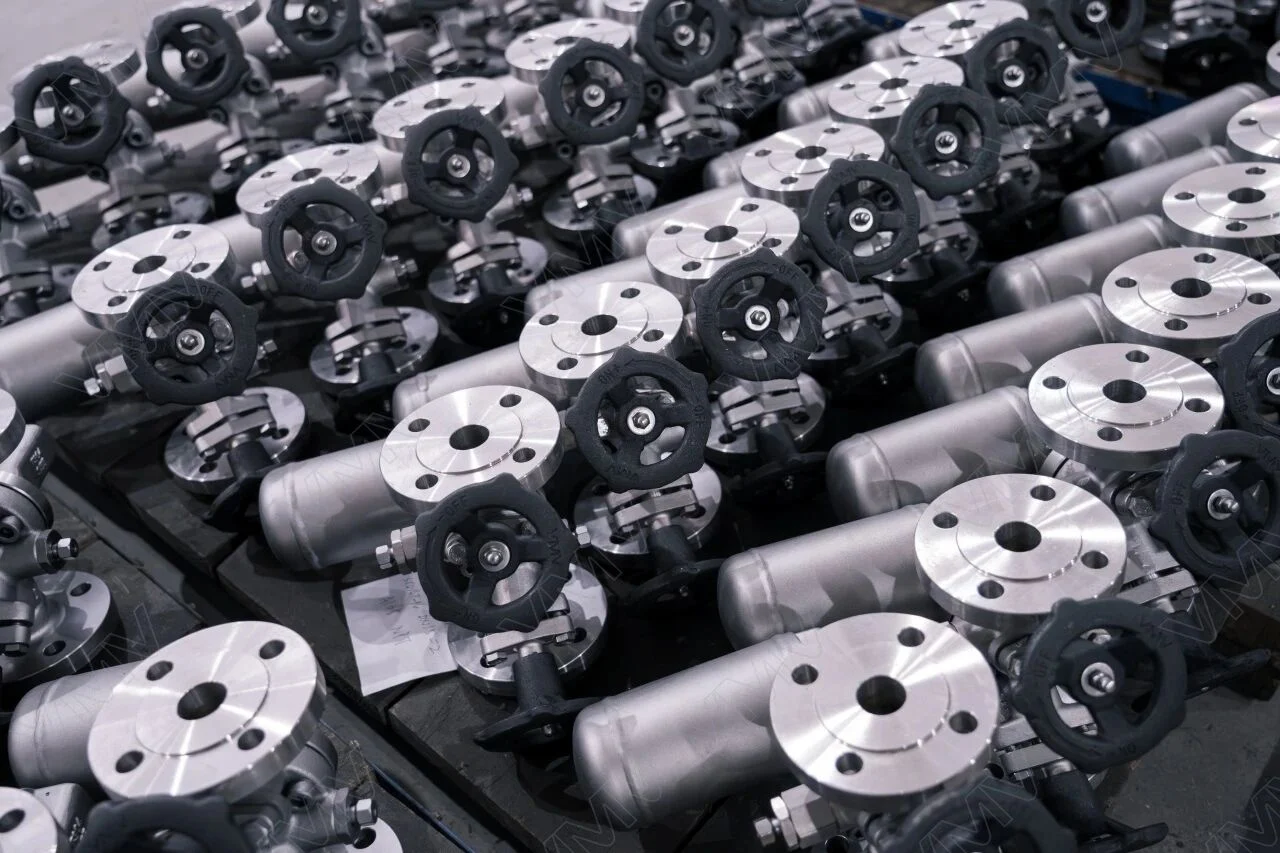
Though it appears to be merely a small valve, it plays an indispensable role in the normal operation of the steam system.
In practical engineering, every stage—from steam generation and distribution to end-use—has its own unique operational characteristics.
A sound condensate drainage strategy must take into account the system layout, equipment operating conditions, and actual working parameters.
Thus, when evaluating the adequacy of a steam system’s drainage, we look beyond whether a steam trap is installed at a specific location; instead, we assess whether the entire system incorporates a complete and reliable drainage logic.
— Newton Engineer
In Conclusion
For a steam system to function effectively, the management of steam flow and condensate discharge is equally important.
The steam trap may be small, but it addresses an unavoidable challenge: enabling the system to transport and utilize heat while properly handling the condensate generated during operation.
It is not merely an optional “accessory” within the steam system, but a vital component of the system’s operational logic.
In the next installment, we will continue by dismantling this small valve to take a closer look:
What a steam trap actually discharges is not just condensate.