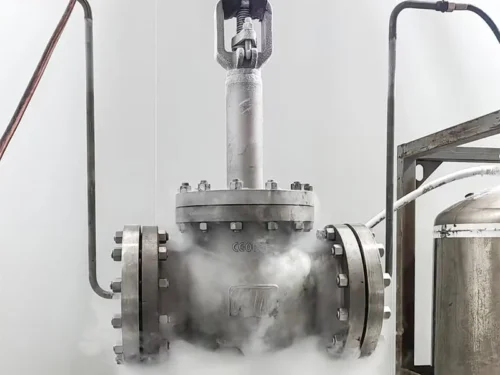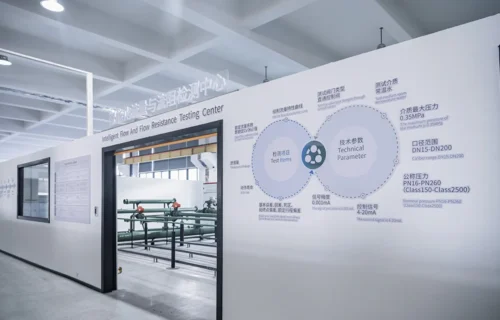
In harsh operating environments—such as those involving high pressure, severe corrosion, or extreme temperature fluctuations—the stable performance of bellows valves is critical to the safety and efficiency of the entire production system. A comprehensive protection strategy spanning selection, installation, and maintenance is essential to minimize the risk of failure.
Part 1: Selection
Proper selection serves as the first line of defense and requires precise alignment with operating conditions.
- Corrosive environments: Prioritize bellows made from corrosion-resistant materials such as Hastelloy or Monel. Additionally, verify that the bellows wall thickness and fatigue life ratings meet the requirements dictated by the medium’s corrosivity and the valve’s cycling frequency.
- High-pressure applications: Select bellows with a multi-layer welded structure combined with a reinforced stem guide design to prevent deformation or cracking caused by sudden pressure surges.
- Environments with fluctuating temperatures: Verify the compatibility of thermal expansion coefficients between the bellows and the valve body assembly. Incorporate temperature compensation structures if necessary to prevent weld fractures caused by thermal cycling.
Part 2: Installation
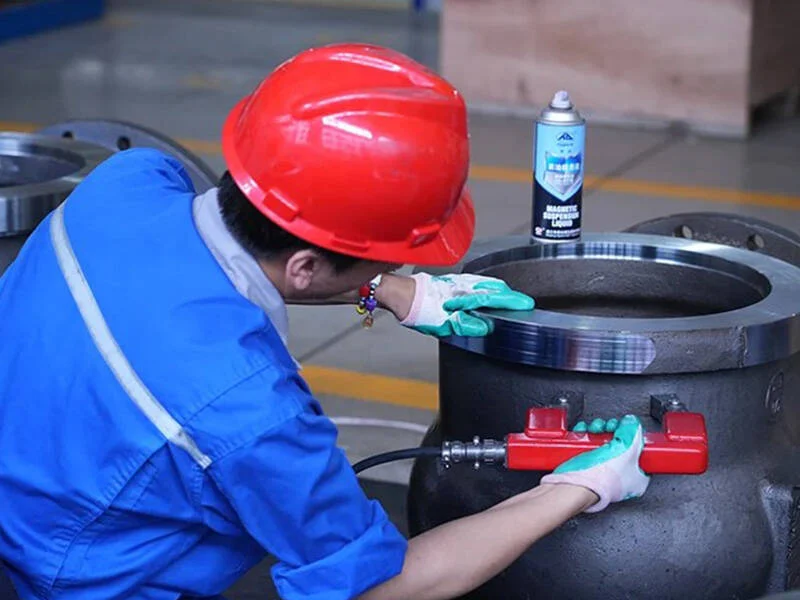
Before installation, clear the valve and piping interiors of hard debris—such as welding slag or fragments—to prevent scratching the inner wall of the bellows during operation. During lifting, never attach slings directly to the bellows or the valve stem; external pressure can cause irreversible bellows deformation. When tightening flanges, use a diagonal, symmetrical tightening pattern to ensure uniform pressure on the sealing surfaces. Uneven loading can cause bellows misalignment, leading to fatigue failure during long-term operation.
Part 3: Maintenance
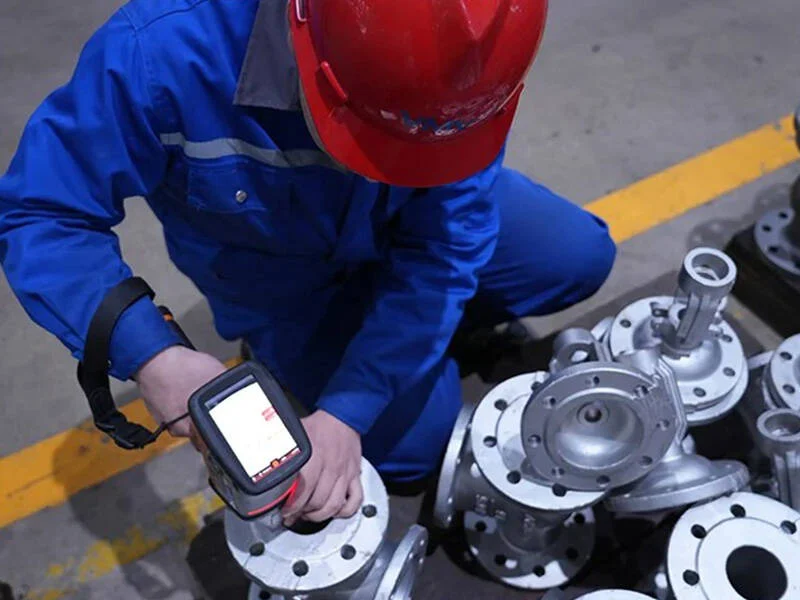
Establish a full-lifecycle monitoring mechanism for routine maintenance. During the initial startup phase, check stem sealing integrity weekly and record baseline values for stem travel and operating torque. During standard operation, conduct monthly external leakage inspections, focusing on the bellows-to-body welds and the stem packing area; schedule a shutdown for repairs immediately if even minor leakage is detected. Endoscopic inspections of internal bellows are conducted quarterly in conjunction with scheduled system maintenance shutdowns to detect early-stage damage, such as cracks or corrosion pits. Bellows that have reached 80% of their design fatigue life are replaced proactively to prevent sudden failures that could lead to production safety accidents.
Valve maintenance is an essential and critical task that requires more than just empty rhetoric. Only by exercising strict control over every stage of production can the normal operation of valves be ensured, thereby enhancing production efficiency while maintaining safety.